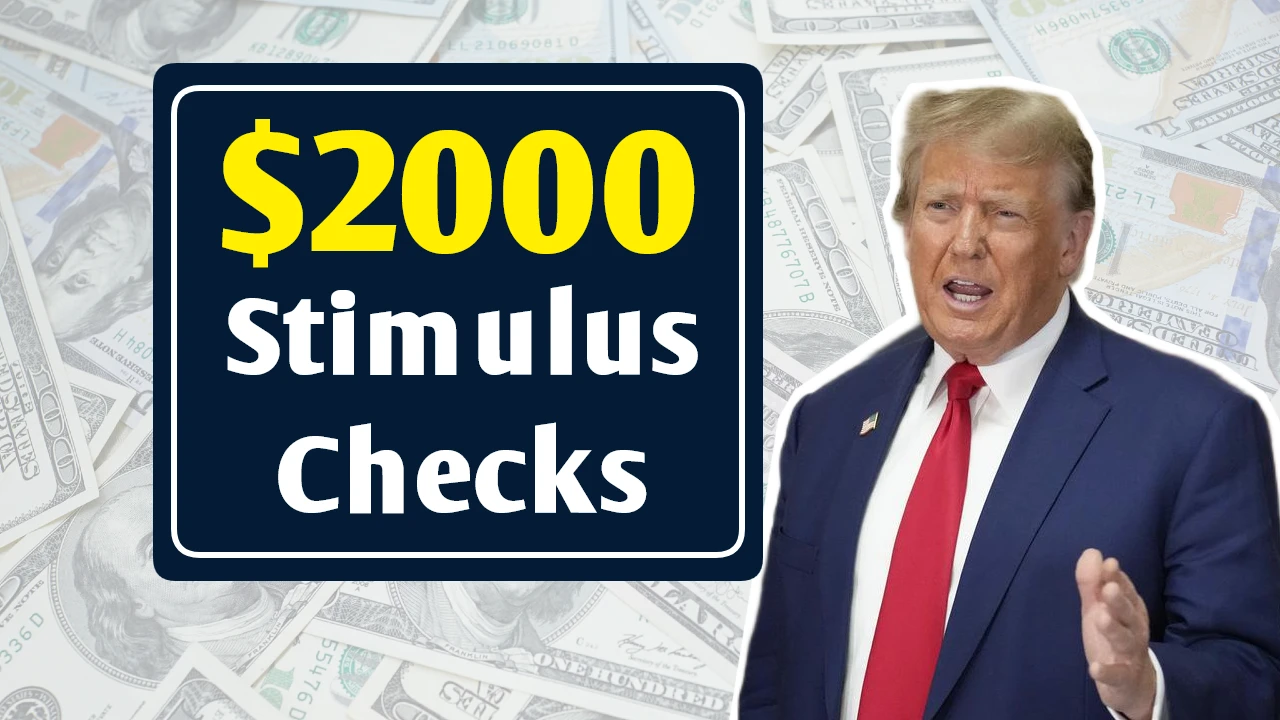
Trump’s $2000 Tariff-Funded Stimulus Checks Proposal 2025: Economic Plan, Benefits, and Eligibility Explained
Former President Donald Trump has captured national attention with his bold new $2000 Tariff-Funded Stimulus Checks Proposal, which he claims will boost the American economy without increasing taxes on citizens. Under this plan, stimulus payments would be funded directly through higher tariffs on foreign imports, particularly from countries like China. This economic strategy aims to support American households, protect domestic industries, and reduce dependency on international manufacturing.
In this article, we break down how the proposal works, who may be eligible for the $2000 stimulus checks, and what it could mean for the US economy in 2025 and beyond.
What Is Trump’s Tariff-Funded Stimulus Proposal?
According to Trump’s proposal, instead of using taxpayer dollars or federal debt to provide financial relief, the government would use revenue generated by tariffs—taxes imposed on imported goods—to fund $2000 direct payments to American citizens. This plan is designed to:

- Encourage domestic manufacturing
- Penalize companies that rely heavily on foreign production
- Put money directly into the pockets of American workers and families
How Would the Proposal Be Funded?
The core funding strategy revolves around imposing higher tariffs on imports, especially from competitors like China, Mexico, and other low-cost manufacturing countries. Trump believes this would force multinational companies to shift production back to the United States, creating jobs while generating enough tariff revenue to fund stimulus checks.
Key Funding Mechanisms:
- Increased import tariffs
- Penalties on companies outsourcing jobs overseas
- New duties on goods affecting national security and trade balance
Who Would Be Eligible for the $2000 Stimulus Checks?
Though official eligibility criteria have not been finalized, analysts suggest the proposal may follow a similar pattern to past stimulus checks:
Likely to qualify:

- American citizens with Social Security numbers
- Individuals with low to moderate incomes
- Working-class families
- Senior citizens and veterans may also receive benefits
Likely to be excluded:
- High-income individuals (above a certain income threshold)
- Non-citizens or undocumented immigrants
- Individuals who rely heavily on foreign investment income
Potential Economic Benefits
Trump’s plan claims to deliver two major benefits simultaneously: financial relief for families and economic protection for American industries.
1. Direct Financial Relief
The $2000 stimulus would provide immediate support for households struggling with inflation, rising living costs, and economic uncertainty.

2. Boost to US Manufacturing
Tariffs could encourage businesses to move production back to the United States, creating jobs and increasing domestic productivity.
3. Reduced Dependence on Foreign Imports
By imposing tariffs on critical goods, the proposal may promote American-made products and strengthen supply chain security.
Criticism and Concerns
While the proposal has gained support from those favoring strong economic nationalism, critics argue that:

- Higher tariffs could increase consumer prices
- Trading partners may retaliate with tariffs on American exports
- It may take time to generate enough tariff revenue to fund stimulus checks
- Global inflation could worsen if supply chains are disrupted
Impact on the 2025 Economy
If implemented, this proposal could reshape the American economy in major ways:
- Middle-class families could receive financial relief
- Job opportunities in manufacturing may increase
- US-China trade relations could intensify
- Inflation may stabilize or rise depending on tariff policies
Economists predict that if tariffs successfully generate revenue, the plan may reduce the need for government borrowing, potentially stabilizing national debt.
Conclusion
Trump’s $2000 Tariff-Funded Stimulus Checks Proposal represents a major shift in economic policy—promising direct financial aid to Americans while using tariffs to reduce dependence on foreign manufacturing. Whether this plan will be implemented depends on political developments and economic conditions in 2025. However, its potential impact on American families, jobs, and trade relationships is already generating significant debate.

As the conversation continues, citizens are eager to know: Will tariff-funded stimulus checks become the next big economic relief measure in the United States?
Stay tuned for updates as the proposal unfolds and more details are released.
Friends, I hope you liked the information given by us again. If you liked the post, then please allow Like Share, Comment and Notification.
Thank you…